
What Items Are Good for Swapping?
Not every item is equally easy to exchange. Discover which types of items tend to work well for swapping, from books and clothing to furniture, electronics, hobby gear, kitchen items, and more, plus tips for choosing items that other people are likely to find useful.

Not everything is equally easy to swap
One of the best things about swapping is that almost any useful item can potentially have a second life with someone else. The challenge is that some items are naturally easier to exchange than others.
An item can be a good candidate for swapping when it is useful, reasonably easy to describe, practical to transport, and something that another person may genuinely want.
This does not mean that an item has to be expensive, new, or particularly popular. A book you have already read, a kitchen appliance you no longer use, a board game sitting on a shelf, or a piece of furniture that no longer fits your home can all be useful to someone else.
The key question is not simply:
"Is this item valuable?"
A better question is:
"Could this item be useful or interesting to another person?"
That is the basic idea behind a successful swap.
What makes an item good for swapping?
Although people have different preferences, some characteristics can make an item more suitable for an exchange.
Good swap items are often:
- useful to a clearly defined group of people,
- in usable condition,
- easy to describe accurately,
- easy to photograph,
- reasonably practical to transport, and
- something you no longer need but someone else might appreciate.
An item does not need to satisfy every one of these characteristics perfectly. The more useful and understandable the item is, however, the easier it can be for another member to decide whether to make an offer.
1. Books are excellent swap candidates
Books are one of the simplest things to exchange.
They are relatively easy to store, photograph, describe, and transport. They also come in an enormous range of subjects, making it possible to find someone interested in almost every kind of book.
You might swap:
- novels,
- cookbooks,
- travel books,
- history books,
- language-learning books,
- children's books,
- technical books,
- art books, or
- hobby and how-to books.
Older books can also be useful. They do not need to be recently published to have value to another reader.
What to mention in a book listing
Include the title and author and, when useful, the edition or format.
Also mention the condition. For example, explain whether there are notes, highlighted pages, bent corners, loose binding, or other visible wear.
A clear photograph of the front cover can be useful, while an additional photograph of the condition may help for older or heavily used books.
2. Clothing can be great for swapping
Clothing is another category with a large potential audience.
People regularly outgrow, replace, or simply stop wearing clothes that are still perfectly usable. Swapping can provide a way for those items to find someone who will actually wear them.
Good clothing listings can include:
- jackets,
- sweaters,
- shirts,
- trousers,
- jeans,
- dresses,
- sportswear,
- shoes, and
- seasonal clothing.
Condition matters a lot
Clothing is especially sensitive to condition.
Clearly mention stains, tears, fading, missing buttons, damaged zippers, or other noticeable problems.
It can also be useful to provide measurements in addition to the labeled size, because sizing can vary considerably between brands and styles.
Seasonal clothing can be particularly practical
A winter coat that no longer fits you may be exactly what someone else needs before the cold season.
Likewise, summer clothing, rainwear, hiking clothing, or sportswear may be attractive at the right time of year.
When creating a listing, think about the item's actual usefulness rather than whether you personally still want it.
3. Furniture can have a second life
Furniture can be particularly suitable for swapping because people often change homes, reorganize rooms, or discover that a particular piece no longer fits their needs.
Examples include:
- desks,
- chairs,
- bookshelves,
- small tables,
- bedside tables,
- storage units,
- coffee tables, and
- small cabinets.
Measurements are especially important
Furniture listings should usually include dimensions.
A potential exchange partner needs to know whether the item can realistically fit into their room and whether they can transport it.
For example:
Dimensions: 120 cm wide × 60 cm deep × 75 cm high.
It is also useful to mention whether the furniture can be disassembled.
Large or heavy items may require more planning than smaller items, so make the practical details clear before agreeing to an exchange.
4. Kitchen items can be surprisingly useful
Many kitchens contain appliances, utensils, cookware, and accessories that are rarely used.
These can make good swap candidates when they are clean, complete, and in usable condition.
Examples include:
- coffee makers,
- blenders,
- air fryers,
- food processors,
- kettles,
- baking equipment,
- cookware,
- storage containers, and
- serving items.
Describe functionality honestly
For electrical kitchen equipment, explain whether the item works normally and mention any known limitations.
Do not assume that another person will notice a missing component from a photograph. If an important accessory is missing, say so.
For cookware or utensils, describe any significant scratches, dents, stains, or other wear.
5. Electronics can attract interest
Electronics can be useful swap items, especially when they are still functional and you can clearly explain their condition.
Potential examples include:
- headphones,
- computer accessories,
- keyboards,
- mice,
- speakers,
- monitors,
- cameras,
- gaming accessories, and
- other consumer electronics.
Electronics need detailed descriptions
When listing electronics, include the model whenever possible.
Also explain:
- whether the device works normally,
- what accessories are included,
- the age or approximate purchase date when useful,
- visible wear, and
- known functional problems.
Clear photographs of the device, ports, model label, accessories, and visible wear can make a big difference.
Do not hide technical problems
If the battery no longer holds a full charge, a button does not work, a cable is missing, or the device has another known problem, include it in the listing.
An honest listing helps another member decide whether the item still works for them.
6. Hobby items can be excellent swap material
Hobby equipment can be valuable to the right person even when it is no longer useful to you.
Examples include:
- craft supplies,
- painting materials,
- model-building equipment,
- puzzles,
- board games,
- musical accessories,
- gardening tools,
- photography accessories, and
- other hobby-related items.
Complete sets are particularly easy to understand
If a hobby item belongs to a set, explain whether the set is complete.
For example:
Board game includes the original box, all cards, game pieces, and instructions. Used several times and all components are present.
This gives another member confidence that they know what they are receiving.
7. Board games and puzzles
Board games and puzzles are especially suitable for swapping because people often finish them and want to try something different.
Examples include:
- board games,
- card games,
- strategy games,
- family games,
- jigsaw puzzles, and
- educational games.
For these items, completeness matters.
Say whether all major components are included and mention any damage to cards, boards, boxes, or other parts.
8. Sports and outdoor equipment
Sports and outdoor gear can also make good swap candidates.
Depending on your local exchange community, examples might include:
- sports equipment,
- camping equipment,
- hiking accessories,
- fitness equipment,
- sports bags,
- training accessories, and
- outdoor recreation gear.
Condition and size are especially important in this category.
Describe how heavily the equipment has been used and mention anything that affects performance or fit.
Think about transport
Large exercise equipment or bulky outdoor gear may be useful, but it can be more difficult to exchange than smaller items.
Make the dimensions and transport requirements clear before agreeing to a swap.
9. Children's items can be useful to other families
Children often grow out of clothing, books, toys, and certain types of equipment quickly.
That means items that are no longer useful to one family may still have plenty of life left for another.
Potential examples include:
- children's books,
- board games,
- toys,
- puzzles,
- clothing, and
- other ordinary household items intended for children.
Condition and completeness are particularly important.
Make sure you clearly describe missing components, damage, or other characteristics that another parent might reasonably want to know.
10. Home and storage items
Small household items can be excellent candidates for swapping because people are constantly organizing their homes and changing how they use their space.
Consider items such as:
- storage boxes,
- organizers,
- lamps,
- mirrors,
- decorative objects,
- small shelves,
- desk accessories, and
- useful household tools.
These items do not necessarily have high monetary value, but they can have strong practical value to someone who needs exactly that type of object.
11. Office and study items
Many people have unused office and study equipment at home.
Examples include:
- desk lamps,
- monitor stands,
- keyboards,
- mouse devices,
- notebooks,
- folders,
- whiteboards,
- desk organizers, and
- small office furniture.
These can be practical swap items because another person may need them without wanting to purchase them new.
When listing office equipment, include dimensions and compatibility information when relevant.
12. Art and creative supplies
Creative materials can also find new owners through swapping.
Examples include:
- drawing supplies,
- paintbrushes,
- craft tools,
- unused notebooks,
- canvas materials,
- art books, and
- other hobby supplies.
When listing supplies, explain whether they are new, partly used, or opened.
For items such as paint, adhesives, or other materials where age can affect usability, provide relevant information rather than making assumptions.
13. Plants and gardening items
Depending on your local community and what is permitted on your platform, gardening-related items can sometimes make interesting exchanges.
Examples include ordinary gardening tools, pots, planters, and other household gardening accessories.
For plants themselves, local rules, transport conditions, and the specific type of plant can matter, so always make sure an item is allowed before listing it.
For physical gardening tools and accessories, clear photographs and dimensions can help people understand what is being offered.
14. Tools can be practical exchange items
Many households contain tools that are used only occasionally.
If you have duplicate tools or equipment that you no longer need, another member may find them useful.
Examples can include:
- hand tools,
- tool organizers,
- measuring tools,
- household repair equipment, and
- gardening tools.
Describe the condition accurately and mention whether all parts are included.
For powered equipment, explain whether it has been tested recently and mention any known issues.
15. Collectibles can be interesting swaps
Collectibles can have a particularly strong personal value to specific communities.
Depending on the type, this can include:
- books,
- cards,
- figures,
- memorabilia,
- decorative objects, and
- other collectible items.
For collectibles, authenticity, condition, completeness, and identifying details can matter significantly.
When possible, provide photographs that show relevant labels, marks, editions, packaging, or other features that help describe exactly what you have.
16. Musical equipment and accessories
Musical hobbies can produce equipment that sits unused for long periods.
Depending on the item, useful swap candidates can include:
- instrument accessories,
- music stands,
- cases,
- microphone accessories,
- small recording equipment,
- sheet music, and
- other non-regulated music-related items.
For equipment, clearly describe compatibility and condition.
If an accessory only works with a particular model or connector, include that information in the listing.
17. Kitchenware and household sets
Sets can sometimes be easier to exchange than individual pieces.
For example, several matching storage containers or a group of kitchen accessories may be more useful together than separately.
If you are listing a set, clearly state:
- how many pieces are included,
- which pieces are included,
- whether anything is missing, and
- the overall condition.
A photograph showing the entire set can be particularly useful.
18. Items that are useful to a specific community
An item does not have to appeal to everyone.
Sometimes an item is a very good swap candidate precisely because it is useful to a particular group of people.
Examples include:
- specialized hobby equipment,
- language-learning materials,
- musical accessories,
- specific book genres,
- sports equipment, and
- specialized tools.
The important thing is to describe the item precisely enough that the right people can recognize its usefulness.
19. Bundles can make small items more interesting
Some individual items may not attract much attention on their own.
A bundle can sometimes make them more useful.
For example, instead of listing five unrelated notebooks individually, you might offer them as a set.
Likewise, several related hobby supplies could make a more useful exchange than one small component by itself.
When creating bundles, keep related items together and clearly explain what is included.
20. Consumable items require more thought
Some items are used up over time, so think carefully before listing them.
Depending on your platform's rules, local regulations, and the nature of the item, certain consumables may not be suitable for swapping.
For anything that can expire, spoil, become unsafe, or otherwise deteriorate, make sure it is appropriate to list and that all relevant information is provided.
When in doubt, check the Exchangify rules before publishing.
21. Items that are difficult to describe may be harder to swap
An item does not have to be bad simply because it is difficult to explain.
However, unclear items tend to create more questions.
If another person cannot easily understand what they are receiving, they may be less comfortable making an offer.
Try to provide:
- a clear title,
- an accurate description,
- good photographs,
- condition information, and
- relevant measurements or specifications.
This is particularly important for unusual or specialized objects.
22. Items in usable condition are easier to exchange
An item does not need to be perfect, but it should be clear what condition it is in.
People can be interested in used items with normal wear, particularly when the item remains functional and the condition is honestly described.
If an item is heavily damaged or not functional, explain that clearly.
Another member may still find value in it for repair, parts, decoration, or another purpose, but they need to know the actual condition before deciding.
23. Think about transport
An item can be useful and still be difficult to swap if moving it is impractical.
Consider how easy it is to transport the item to an exchange.
Small items such as books, clothing, accessories, and kitchen equipment are relatively straightforward to move.
Larger items such as furniture, exercise equipment, or bulky household goods may require a vehicle or additional planning.
For large items, include:
- dimensions,
- approximate weight when useful,
- whether the item can be disassembled, and
- any important transportation considerations.
24. Seasonal items can be good swap candidates
Some items become more useful at particular times of year.
Examples include:
- winter clothing,
- camping equipment,
- holiday decorations,
- sports equipment,
- gardening accessories, and
- other seasonal household items.
If you no longer need something after a season, consider listing it while another person might still find it useful.
25. Items with clear specifications can be easier to evaluate
Specifications help another person decide whether an item fits their needs.
For example, electronics might need the exact model and compatibility information.
Furniture may need dimensions.
Clothing may benefit from size and measurements.
Sports equipment may need size or relevant specifications.
Books may need the author and edition.
The more relevant information you can provide, the easier it becomes for someone to understand the item.
26. Items with a clear purpose can be easier to swap
Think about what problem your item solves.
A desk lamp provides lighting. A bookshelf provides storage. A board game provides entertainment. A specific kitchen appliance performs a particular task.
When an item's purpose is obvious, it can be easier for another member to recognize whether they need it.
That is one reason practical household items can work well in exchange marketplaces.
27. You do not have to swap expensive items
One of the best things about swapping is that the items do not have to be expensive.
A person may prefer to exchange several inexpensive useful items for one different item that they need more.
For example:
- several books for a board game,
- small kitchen accessories for a storage unit,
- a hobby bundle for another hobby item, or
- unused office accessories for something useful at home.
The most important factor is whether the two people find the proposed exchange worthwhile.
28. Personal usefulness can matter more than original price
The price an item originally cost is only one part of its story.
Someone may no longer have any use for an expensive item, while another member may urgently need a simple lower-cost object.
This difference in personal usefulness creates opportunities for exchanges that would not happen in a traditional buying and selling situation.
Before deciding that an item is "not worth swapping," think about who might actually use it.
29. Items that are easy to photograph have an advantage
Good photographs help people understand listings.
Items with clear shapes, recognizable details, and visible condition are often easier to present online.
This does not mean unusual objects are bad candidates.
It simply means that when an item is difficult to photograph, you may need to spend more time explaining it in the description.
30. Items people can inspect easily are often practical swaps
For many exchanges, it is useful if the condition can be checked relatively easily when both people meet.
A member can inspect a chair, book, appliance, tool, or other physical object before completing the exchange.
This makes clear descriptions and honest condition information especially important.
31. What should you avoid listing?
The exact rules depend on Exchangify's policies and applicable laws, but not every type of item is suitable for an exchange marketplace.
Before publishing anything, make sure the item is permitted by the platform's rules and that you can legally and safely exchange it.
Items that involve significant legal, safety, health, or regulatory concerns may require particular restrictions or may not be appropriate for the platform.
When you are unsure, check the current Exchangify rules before creating the listing.
32. A simple test for any item
If you are not sure whether something is worth listing, ask yourself a few questions:
- Is it still useful?
- Is it in usable condition?
- Can I describe it honestly?
- Can I photograph it clearly?
- Can I explain any defects?
- Is it practical to transport?
- Could another person reasonably want it?
- Is it allowed on Exchangify?
If most of the answers are yes, it may be a good candidate for a listing.
33. Think about what you no longer need
A useful way to find items to swap is simply to look around your home.
Ask yourself:
What do I own that I rarely use anymore?
You may find:
- books you have already read,
- clothes that no longer fit,
- furniture that does not suit your current space,
- kitchen equipment you rarely use,
- hobby supplies from an old project,
- electronics that have been replaced, or
- items you simply no longer need.
Instead of leaving these things unused, consider whether another person could benefit from them.
34. Think about what other people might be looking for
Sometimes the easiest way to identify good swap items is to think about common needs.
People often need practical things for:
- their homes,
- their hobbies,
- their studies,
- their workspaces,
- their families,
- their sports activities, and
- their everyday routines.
An item that solves a simple problem can be surprisingly useful.
35. Do not underestimate ordinary items
It is easy to assume that only unusual or expensive things are worth listing.
That is not necessarily true.
A small bookshelf, a set of kitchen containers, a desk organizer, a stack of books, or a spare lamp may be exactly what another member needs.
Swapping works because people have different needs at different times.
What is ordinary to one person can be useful to another.
36. Combine a good item with a clear listing
The item itself is only part of the equation.
A useful object can still be difficult to exchange if the listing is vague, poorly photographed, or missing important information.
When you list an item, combine:
- a clear title,
- a useful description,
- honest condition information,
- good photographs,
- measurements where relevant, and
- clear exchange preferences.
These elements make it easier for another member to understand what you are offering.
Example: turning unused items into swap opportunities
Imagine you are cleaning a storage area at home and find several things you have not used in a long time:
- five books,
- a board game,
- a desk lamp,
- a small storage box, and
- a kitchen appliance that you rarely use.
Instead of assuming that none of these items are worth listing, consider which ones another person might find useful.
The books could be listed individually or as a small collection.
The board game could be exchanged for another game or hobby item.
The desk lamp could be useful to someone setting up a new workspace.
The storage box could be attractive to someone organizing a room.
The kitchen appliance could be useful to a person who needs that specific type of equipment.
The original purchase prices are not necessarily the most important factor. Their current usefulness is what creates an opportunity for a swap.
How to choose between several items to list
If you have many things you could exchange, start with items that are easiest to explain and photograph.
Then consider:
- which items are still in good usable condition,
- which items have a clear purpose,
- which items are practical to transport, and
- which items have clear exchange preferences.
This can help you create listings that are useful to other members without spending unnecessary time on items that are difficult to describe.
A checklist for deciding whether an item is worth swapping
Before creating a listing, check:
- Useful: Could another person reasonably use it?
- Condition: Is it usable, and can I describe its condition accurately?
- Complete: Are the important parts and accessories included?
- Clear: Can I explain exactly what the other person will receive?
- Photographable: Can I take clear photographs of it?
- Portable: Is it practical to transport?
- Relevant: Do I have an idea of what type of exchange I might want?
- Allowed: Is the item permitted under Exchangify's current rules?
Good swap items are often things you already own
You do not need to go out and buy something specifically for the purpose of swapping.
Some of the best candidates may already be sitting in your home, office, storage area, or hobby space.
Look for things that are still useful but no longer serve a purpose for you.
That old bookshelf may fit perfectly in someone else's room.
The book you have already read may be exactly the title another reader has been looking for.
The kitchen appliance you rarely use may become useful to someone who is setting up their first home.
Your unused hobby equipment may help someone discover a new interest.
Swapping is about matching needs
The best swap is not necessarily the one involving the most expensive item.
It is the one where two people find value in what the other person has.
That is why a simple item can sometimes lead to a surprisingly useful exchange.
One person may have too many books and need storage. Another person may have an unused shelf and want something to read.
One person may have a spare kitchen appliance and want office equipment. Another may have exactly that office equipment sitting unused.
These different needs create opportunities.
Final thoughts
There is no single list of items that are guaranteed to be good for swapping.
Books, clothing, furniture, electronics, kitchen items, hobby equipment, board games, sports gear, office supplies, and many ordinary household items can all be useful exchange candidates when they are described clearly and offered honestly.
The most important question is not whether an item is expensive or fashionable.
Ask whether it is useful, usable, understandable, and something that another person might genuinely want.
Start by looking around your own home. Think about the things you no longer use but that still have plenty of life left in them.
Then create a clear listing, take good photographs, describe the condition honestly, and explain what kind of exchange you would consider.
You might discover that something you had almost forgotten about is exactly what another member has been looking for.
Before you throw something into storage, ask yourself whether someone else could put it to better use.
That is where a good swap can begin.
You may also like
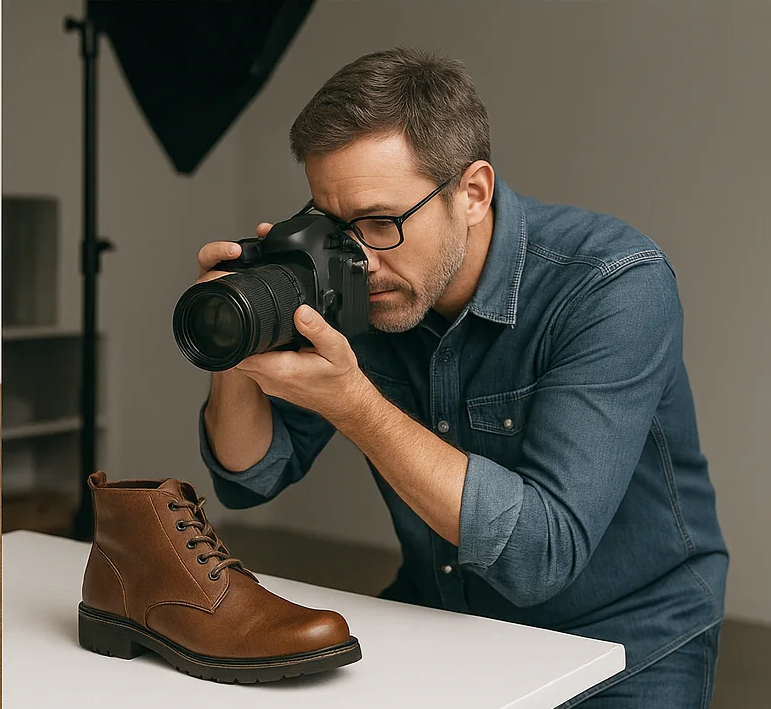
How to Take Better Photos of Your Items
Better photos can help people understand your item before making an offer. Learn how to use natural light, choose a clean background, show multiple angles, photograph details and defects, and take clearer listing photos using the phone you already have.

How to Write a Good Listing That Gets Better Offers
A good listing makes it easier for people to understand what you are offering and decide whether it is right for them. Learn how to write clear titles, useful descriptions, accurate condition details, effective exchange preferences, and better listing photos.

Tips for Negotiating an Exchange
Negotiating an exchange does not have to be difficult. Learn how to make thoughtful offers, understand the other person's preferences, make counteroffers, discuss differences in value, handle multiple offers, and reach an agreement that works for both sides.